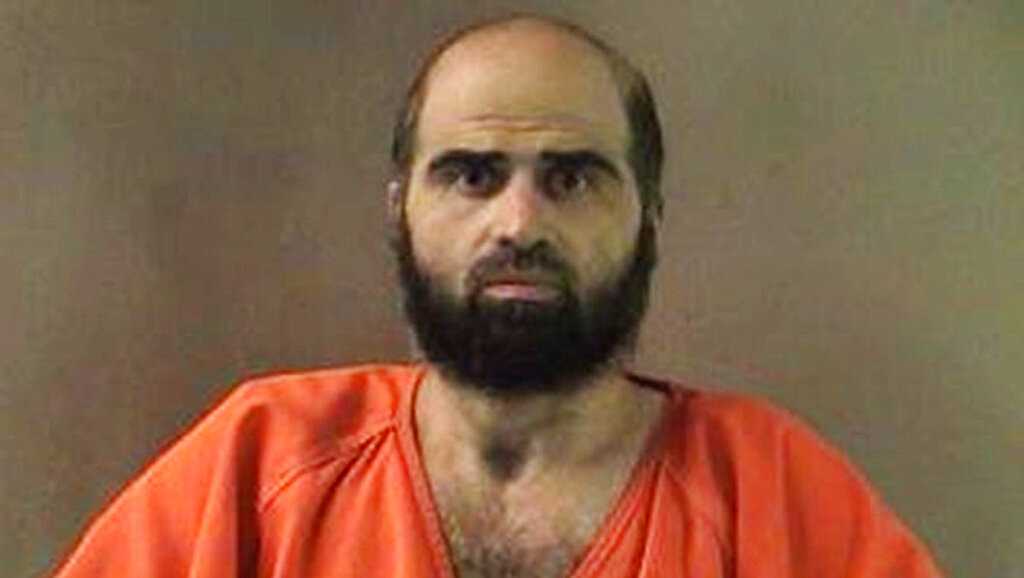
More than 16 years after a mass shooting at Fort Hood, Texas, left 13 people dead and dozens more wounded, the U.S. military is moving toward carrying out its first execution in over six decades. The Army has now set a specific date, bringing the case of convicted shooter Nidal Malik Hasan to a significant moment in U.S. military legal history.
Acting Army Secretary Adam Telle announced Tuesday via social media that Hasan will be executed by firing squad on December 3 at Fort Hood. The announcement confirmed earlier reporting that President Donald Trump had approved the execution of Hasan, a development first confirmed by Pentagon spokesperson Sean Parnell on Monday.
The U.S. military has not carried out a death sentence since 1961, making this execution — if it proceeds — a notable event in American military and legal history. This case has been closely followed for years under standards of established editorial and legal reporting guidelines.
What Happened at Fort Hood in 2009
On November 5, 2009, Hasan — then an Army psychiatrist — entered a medical facility on the Fort Hood base in Texas where soldiers were undergoing routine medical evaluations. He shouted “Allahu akbar” — Arabic for “God is great!” — and opened fire with a laser-sighted handgun, killing 13 people and wounding more than 30 others.
At trial, Hasan made little attempt to mount a defense. He told the jury that the evidence would confirm he was the shooter, and he described his own actions in stark terms, calling himself a soldier who had “switched sides.” He framed the attack as an attempt to prevent U.S. troops from deploying to Afghanistan and, in his words, killing fellow Muslims.
What Comes Next
While a date has been set, the execution is not necessarily imminent. Federal law provides Hasan with the option to file a habeas corpus petition in the civilian court system — a legal tool that allows a person to challenge the lawfulness of their detention or sentence. According to an analysis published in May in Army Lawyer magazine, such a filing could delay the execution for years while civilian courts review the case.
Whether Hasan chooses to pursue that avenue remains to be seen. In the meantime, Trump’s approval has set in motion a formal series of procedural steps required before any military execution can be carried out.