Four policies took effect in the last few days across three states, each the result of years of advocacy translating finally into material change. A fifth development came from outside government: a network formed by laid-off federal climate scientists announced it had placed dozens of colleagues in new positions, quietly keeping critical research from disappearing.
Florida Workers Reach the $15 Milestone Voters Set Six Years Ago
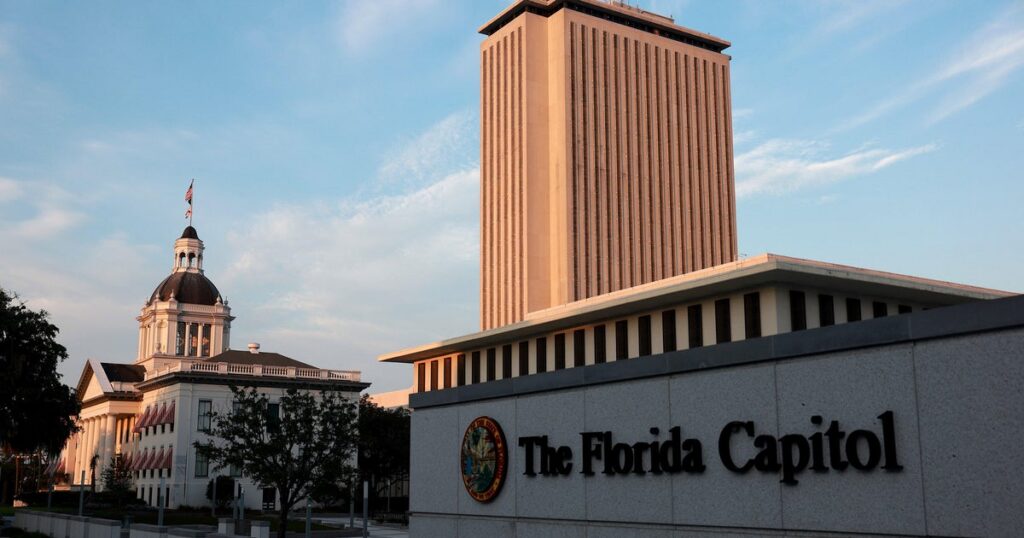
Florida’s minimum wage hit $15 an hour on September 30, completing the six-year schedule voters approved as constitutional Amendment 2 in 2020. Under the amendment, the minimum went to $10 an hour in September 2021 and rose by $1 each subsequent September. The final increase also lifted the base wage for tipped workers from $10.98 to $11.98 an hour. Future increases will track inflation rather than follow the fixed annual schedule. The federal minimum wage has remained $7.25 an hour since July 2009.
North Carolina Sets a New Floor for Childcare Subsidy Rates
North Carolina’s childcare subsidy rates rose October 1, when a $97 million investment in provider reimbursements from the FY 2026-27 budget took effect. The budget also established a statewide floor requiring providers to receive at least the statewide average market rate for subsidized care, regardless of local prices. Without such a floor, EdNC reported, rates “range widely from county to county,” making care hardest to sustain in low-income rural communities. A second technical corrections bill added $60 million more to the program.
Climate Reserve Has Placed Dozens of Laid-Off Federal Scientists in New Roles
When the Trump administration cut thousands of federal science jobs last year, more than 30 climate experts convened in Colorado and built a response. The organization they created — Climate Reserve, which went public this week — has so far placed more than two dozen climate experts in new positions at nonprofits and institutions including the Environmental Protection Network and the University of Minnesota. The group has also restored federal projects that lost funding, including EJScreen, an online map that shows which American communities face the worst pollution. By the end of October, the network expects 50 placements.
Maryland Bars Landlords From Running Criminal Checks Before Making an Offer
Maryland’s Fair Chance Housing Act, signed by Governor Wes Moore in May and in force since October 1, requires landlords managing five or more units to extend a conditional offer of housing before checking an applicant’s criminal history. If they then withdraw the offer, they must give a written reason and allow the applicant to request a reassessment. The law limits which convictions may be considered and bars drug and alcohol testing of applicants. Marquis Howard of BUILD, an advocacy coalition behind the law, said it would affect “over a million” Marylanders with conviction histories and called the law “monumental.”
Maryland Also Bars Credit Rejections for Tenants Paying With Housing Vouchers
A second Maryland law took effect October 1: landlords may no longer reject applicants using income-based housing subsidies because of a low credit score, an absent credit score, or adverse credit history that predates the subsidy. The same law requires landlords to offer tenants the option to have complete, on-time rent payments reported to credit agencies — giving renters with limited credit histories a path to building one. For new leases, the requirement starts October 1; landlords must extend the offer to existing tenants by January 1, 2027.