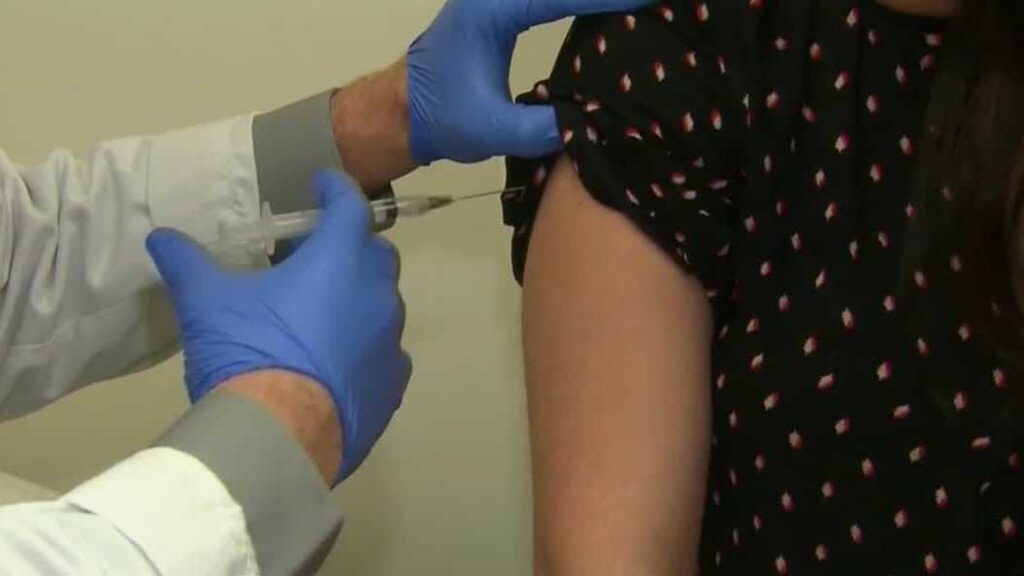
Flu season doesn’t wait for anyone — and this year, it’s arriving earlier than most families may expect. If you’ve been putting off getting a flu shot, doctors say now is the time to act, before the virus gets a stronger foothold in your community.
According to data from the Centers for Disease Control and Prevention (CDC), flu cases rose five percent in just the first week of October compared to the same period last year. That early uptick is prompting health officials at Dartmouth Health to urge everyone who is eligible to get vaccinated without delay.
Dr. Sharon Vuppula, a pediatrician at Southern New Hampshire Medical Center, put it plainly:
“There are several states right now in the United States that are reporting a higher number of influenza cases earlier in the season than what we typically see.”
That shift matters for families trying to plan ahead — especially those with young children, elderly relatives, or anyone with a health condition that makes them more vulnerable to serious illness.
Who Should Get Vaccinated — and When
The flu vaccine is recommended for nearly everyone. Any person six months of age or older is eligible to receive it. Because it takes roughly two weeks for the body to build a full immune response after vaccination, waiting too long can leave people unprotected just as flu activity is peaking.
Dr. Vuppula acknowledged that October may feel too early for some families, but she urged them to reconsider based on what the data is showing this year.
“It can seem like because we’re in October, they may have time. But given the patterns we’re seeing, I would recommend they get the flu vaccine (now).”
The vaccine’s effectiveness ranges from about 40 to 60 percent in preventing flu infection altogether. But even when it doesn’t fully prevent illness, it significantly reduces the severity of symptoms — meaning fewer hospitalizations, shorter recoveries, and lower medical bills for families who might otherwise face costly emergency care.
Protecting the Most Vulnerable Members of Your Family
One of the most important — and often overlooked — reasons to get vaccinated is protecting those who cannot protect themselves. Newborns and very young infants are too young to receive the flu vaccine, making them entirely dependent on the people around them for protection.
Dr. Vuppula emphasized that this is a community responsibility, not just an individual one:
“What about protecting those really small vulnerable infants? The way to do that is to get parents to get vaccinated for influenza and caregivers such as grandparents and babysitters and nannies. That’s the way we protect the most vulnerable.”
For families with newborns at home, that means vaccination isn’t just about personal health — it’s about keeping the baby safe during the most critical weeks of life. The same logic applies to households caring for elderly grandparents or family members with chronic illnesses, who face a higher risk of flu-related complications and hospitalization.
Common flu symptoms to watch for include high fever, muscle aches, deep fatigue, and persistent cough. These symptoms can come on suddenly and are more intense than a typical cold, often leaving people unable to work or care for their families for days at a time — a real financial strain for households without paid sick leave or robust health coverage.
Flu vaccines are widely available at pharmacies, doctor’s offices, and community health centers, and are covered at no cost under most insurance plans, including Medicaid, as a preventive service. For families managing tight budgets, this is one of the most accessible and effective steps they can take to protect both their health and their financial stability this season.
For more local news and health updates from New Hampshire, visit WMUR, including recent coverage on topics like Medicaid coverage changes that could affect thousands of New Hampshire residents, and the future of work in the state. You can also sign up for email alerts, check the latest weather radar, or view traffic conditions through WMUR’s local resources.