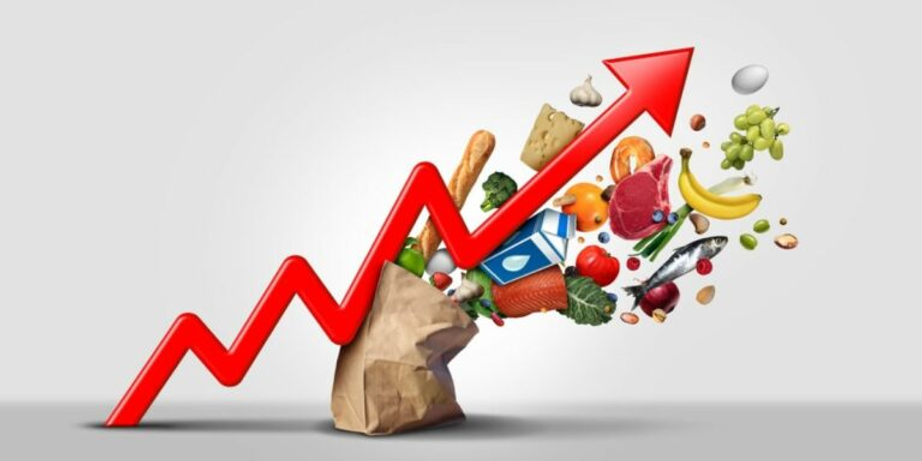
Consumers in Virginia may soon face steeper bills not just at the gas pump but also when stocking their pantries. A recent surge in diesel prices, up roughly 40% over the past month, is reverberating through freight networks and could translate into higher costs for everyday products.
Diesel Prices Approach $5 Per Gallon
Across the United States, diesel fuel is climbing toward $5 per gallon, driven primarily by global oil market shifts. Since diesel powers the trucks, ships, trains and farm equipment responsible for moving goods, any spike in its cost tends to cascade through supply chains.
Impact on Virginia’s Economy
Virginia’s economy relies heavily on diesel-powered transport—from the Port of Virginia to major distribution hubs in Richmond and Northern Virginia. Almost every item sold in stores, from produce to apparel, travels by truck at some stage.
When trucking and shipping operators face higher fuel bills, they often add surcharges or adjust their freight fees, which retailers then incorporate into their prices. As a result, consumers may notice increases in prices even if they never fill their own tanks.
Grocery Costs Likely to Climb First
Perishable goods tend to see price hikes earliest because they must move quickly from farms and processing centers to store shelves. Shoppers in Virginia may first feel the pinch on:
- Fruits and vegetables
- Milk and other dairy items
- Seafood, particularly in coastal areas like Hampton Roads
- Fresh and refrigerated products
Broader Ripple Effects
Higher diesel costs extend beyond groceries. Key sectors in Virginia—logistics, shipping, construction and online retail—are all sensitive to fuel prices. Among the likely outcomes:
- Carriers adding fuel surcharges to shipments
- Retailers adjusting shelf prices
- Rising expenses for infrastructure and building projects
- Increased fees for home deliveries and freight
Major freight companies, including FedEx and others active in the state, have already begun revising their pricing structures to offset steeper diesel bills.
Global Tensions Driving Costs
The jump in diesel prices is connected to disruptions in the global oil market, spurred by escalating conflicts in the Middle East. Tensions near the Strait of Hormuz—a passage that carries roughly 20% of the world’s oil—have pushed crude prices higher. Since diesel is refined from crude oil, those gains filter through to fuel customers everywhere.
Even though Virginia doesn’t import most of its oil directly from that region, international pricing benchmarks mean local fuel costs reflect global uncertainties.
Warning Sign for Wider Inflation
Economists often regard rising diesel rates as an early indicator of broader inflationary pressure. As transportation and production costs climb, businesses pass on expenses, ultimately affecting a range of goods and services—from household staples to housing and travel.
Should diesel remain expensive, Virginia families may see continued upward pressure on their monthly budgets, starting with groceries and extending to other areas of daily life.