Oil futures surged past the $100-per-barrel benchmark on Monday, marking their first visit to these levels in nearly four years. Traders attribute the rally to escalating tensions around the Strait of Hormuz and critical supply disruptions in the Middle East.
By Monday morning, both US West Texas Intermediate and international Brent oil futures had climbed roughly 11%, representing their largest single-day dollar gains ever. US crude jumped $8 to $99, while Brent added $9 to reach $101—edging close to, but not surpassing, the $11-per-barrel one-day rise record set on June 6, 2008.
The last time oil consistently traded above $100 was from March until mid-July 2022, following Russia’s invasion of Ukraine. This week’s spike nearly touched $120 overnight before news of potential Western talks on fuel-price relief brought a slight easing.
The current surge is driven by two main factors: a near halt in tanker traffic through the Strait of Hormuz and a slowdown in oil output from key Middle Eastern exporters. Approximately 20% of global oil flows through this narrow waterway, and Iran’s threats against tankers have forced a standstill in pickups and deliveries.
Historical data from Rapidan Energy Group indicate this disruption is about twice the scale of the supply cut seen during the 1956–57 Suez Crisis. On top of that, spare production capacity—often considered a market shock absorber—has largely vanished, as Saudi Arabia and the UAE find themselves cut off from global markets.
“The result is a market with no meaningful cushion. There is no swing producer to step in,” wrote Bob McNally, Rapidan’s founder and president, in a note to clients.
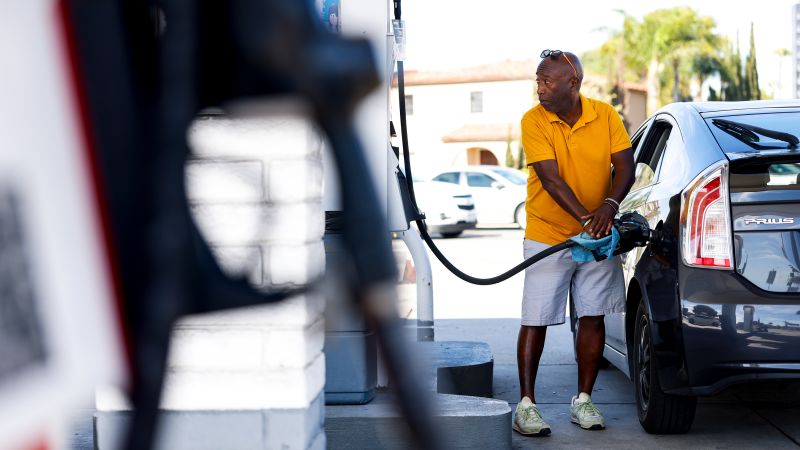
With storage tanks at capacity, regional producers have been compelled to throttle back drilling and pumping activity. At the pump, US consumers are feeling the strain: average gasoline prices have climbed about 50 cents in a week to $3.48 per gallon, the highest level under President Donald Trump’s administration.
Before the recent conflict, abundant inventories kept crude prices near $60 a barrel. Some oil derivatives markets reflect that longer-term optimism remains, with futures for delivery in 2027 and 2028 trading in the high $60s, according to Dan Pickering, founder and chief investment officer at Pickering Energy Partners.
Still, the war has already outlasted many traders’ initial expectations, driving historic price swings. “I would say that the move is a bit overdone in the very short term, but if between now and the end of March you don’t have an amelioration of traffic around the strait, we could go to $150 a barrel,” said Homayoun Falakshahi, lead crude research analyst at Kpler.
Government Measures
In response to surging energy costs, G7 finance ministers are set to discuss a coordinated release of strategic oil reserves. The Trump administration is also pushing proposals to underwrite insurance for tankers navigating the Hormuz route, after private maritime insurers withdrew coverage for vessels at risk of attack.
The White House also said it would work to secure naval escorts for ships, but no concrete plan has yet emerged and many shipping companies remain reluctant to resume voyages through the area.
“The higher the price goes, the more pressure on the Trump administration to do something to protect the strait,” said Pickering. “The longer it takes to re-open, the more upward pressure on price. A reinforcing cycle.”