This week’s gains arrived with evidence already attached — court orders grounded in trial testimony, state programs reporting first-round results, and energy systems already running. In each case, the question of whether the win will hold can be checked against a specific number a year from now.
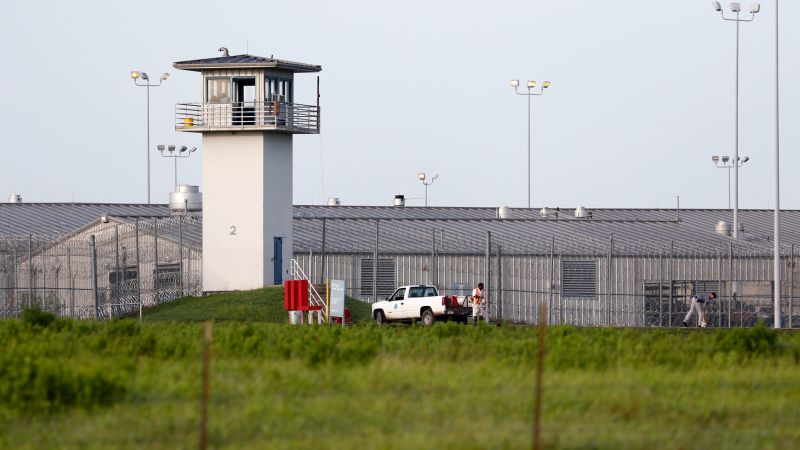
Federal Judge Orders Texas to Air-Condition All Prisons by 2029
U.S. District Judge Robert Pitman ruled on September 23 that the Texas Department of Criminal Justice must install air conditioning in every state prison by December 31, 2029, finding that the current conditions violate the Eighth Amendment’s prohibition on cruel and unusual punishment. Of Texas’s roughly 143,000 incarcerated people, about 88,697 were housed in unairconditioned units heading into summer 2026 — about 63 percent of the population — with outdoor heat indexes routinely exceeding 130 degrees. The win followed years of advocacy by Lioness Justice Impacted Women’s Alliance, a nonprofit formed in 2022 by formerly incarcerated women who collected and presented letters from people inside. Texas plans to appeal.
Cities Dispatch Mental Health Teams to 911 Calls — and the Study Results Back It Up
Since 2020, the number of U.S. cities dispatching unarmed mental health clinicians to certain 911 calls instead of police has grown from six to nearly 100, according to NPR. A study published this year on Durham, North Carolina’s HEART program found it leads to fewer arrests, is considered helpful by most officers, and rarely requires police backup. Teams typically pair a mental health clinician with a worker who has lived experience with issues like substance use. Researchers cite Durham’s model as a national benchmark, though funding and call-type limits remain challenges for programs across the country.
Kentucky Cancels $250 Million in Medical Debt for More Than 130,000 Residents
Gov. Andy Beshear directed $2.5 million in state funds to Undue Medical Debt, a nonprofit that buys bundles of hospital debt for less than their face value and cancels them — erasing $250 million for more than 130,000 Kentuckians who owe at least 5 percent of their annual income in medical bills or earn below 400 percent of the federal poverty level. No application is required; eligible residents receive a letter. Letters to the first 46,000 recipients, who will have more than $100 million in debt canceled, went out in mid-September.
Pennsylvania Puts Solar Panels on 85 Schools, Including 10 in Philadelphia
Pennsylvania’s Solar for Schools program has awarded grants to 85 schools statewide — including 10 in Philadelphia — covering up to 75 percent of installation costs, or up to $900,000 per school. The program received $25 million in the 2026 state budget. At Universal Audenried Charter School in Philadelphia’s Grays Ferry neighborhood, a 350-kilowatt array will cover 40 to 50 percent of electricity needs; after the state grant and a federal tax credit, the school’s share is roughly $100,000, with a projected payback period of one to two years. Students in the school’s engineering program will learn to connect, disconnect, and service the panels as part of their coursework.
Colorado Neighborhood Completes Nearly 100 Homes With Geothermal Heat Pumps
A development south of Denver has finished nearly 100 homes with ground-source heat pumps under a 2025 partnership between geothermal startup Dandelion Energy and homebuilder Lennar — the first phase of a plan to equip more than 1,500 Colorado homes with the technology over two years. During cold snaps, the systems use a quarter as much electricity as conventional air-source heat pumps. Xcel Energy provides approximately $25,000 per home in rebates under Colorado’s Clean Heat Standard. A 2025 Department of Energy report found geothermal could reach 7 million U.S. homes by 2035, reducing winter peak demand by more than 40 gigawatts nationwide.