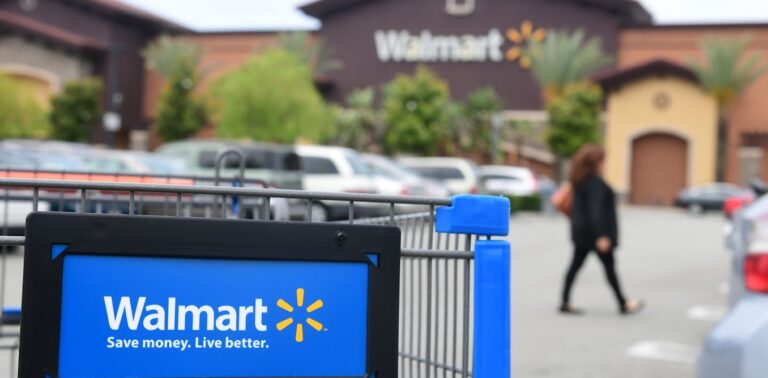
How massive, one-stop retailers fuel overconsumption − and waste
Pushing your large cart out of a supercenter, you might wonder, “Did I need all that?” Likely not, as overbuying leads to waste.

Pushing your large cart out of a supercenter, you might wonder, “Did I need all that?” Likely not, as overbuying leads to waste.
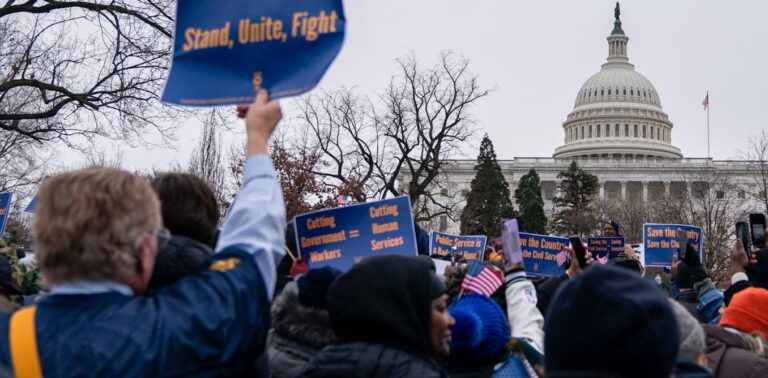
When union power declines, impacts extend beyond wages, affecting public health and happiness, say economists.
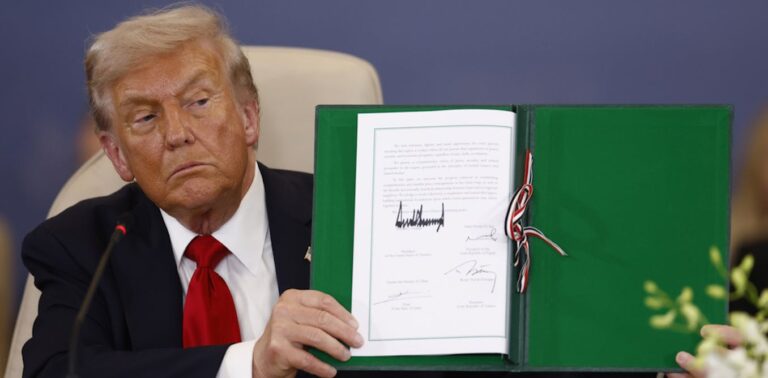
Donald Trump’s bold signature aligns with traits like narcissism, as studies reveal links between signature size and self-esteem.

Nonprofits face pressure to cut costs by using flexible labor, but research shows this can hurt attendance and finances.
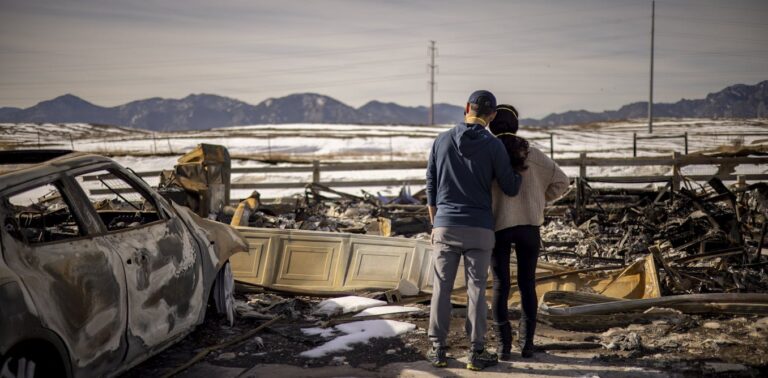
Most Colorado homeowners lack insurance to fully rebuild post-disaster. Our study finds 74% were underinsured after fires.
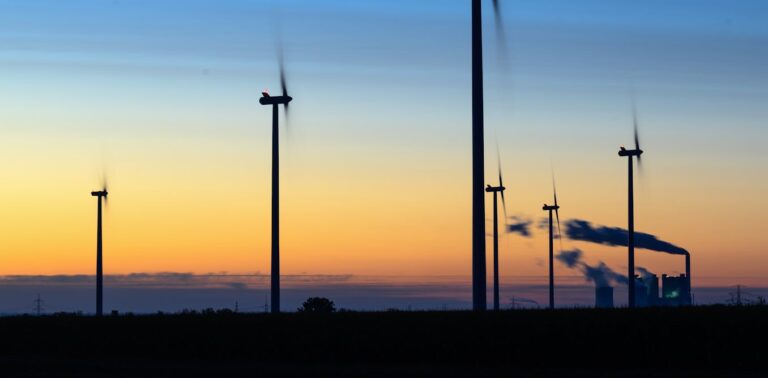
Fossil fuels power much of the world despite cheaper renewable energy. Nations struggle to balance rising demand with emission reduction.
The federal shutdown pauses regular data, leaving market-watchers in the dark. Michigan survey shows stable sentiment.

The economic impact of a prolonged federal government shutdown could tip the U.S. economy into recession due to rising consumer and business uncertainty.
Corporate America is cash-rich but not reinvesting in its future. Excess capacity and flawed economic measures are key issues.

Grieving the loss of my dad, I found solace in the Squishmallow community. Despite resellers’ challenges, connections formed.
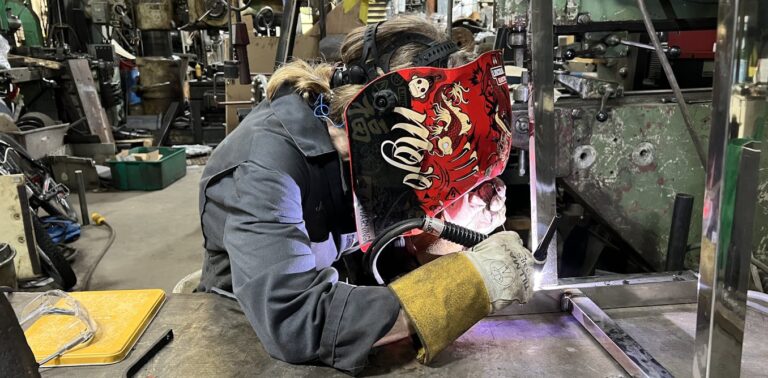
A professor and welder explores women’s voices in skilled trades, reflecting on changes since 1985 and ongoing challenges.
For the first time, more Americans are over 62 than under 18. Economists suggest older adults should keep working longer.