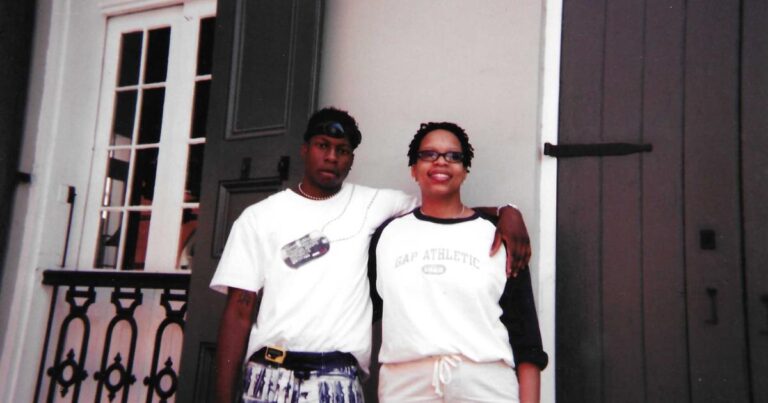
Hurricane Katrina: My Story, My Shift
By Airis Freeman: In 2005, New Orleans’ hurricane season was supposed to be “routine,” but Katrina tested that magic profoundly.

By Airis Freeman: In 2005, New Orleans’ hurricane season was supposed to be “routine,” but Katrina tested that magic profoundly.

Veterans criticize Ohio’s National Guard deployment to D.C., citing legal concerns, rising politicization, and threats to public trust.
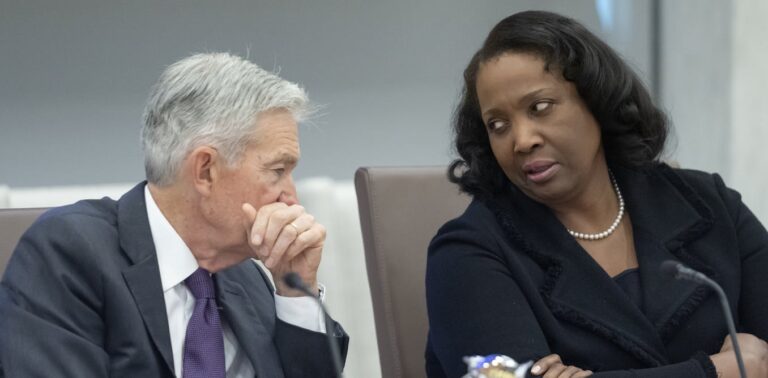
Lisa Cook’s battle against her removal from the Federal Reserve by Trump highlights the vital issue of central bank independence.
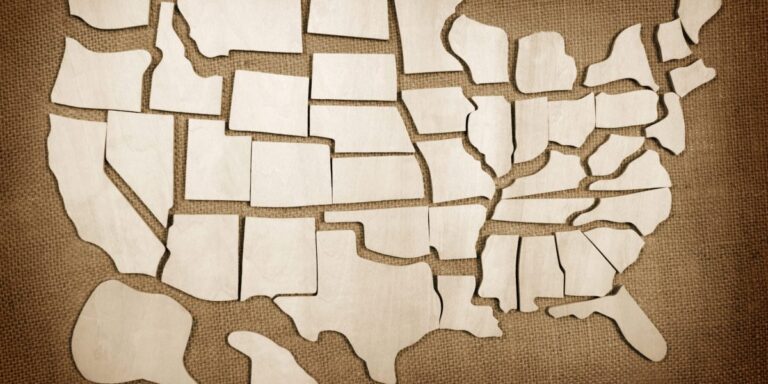
Nearly one-third of U.S. states risk recession, signaling uneven recovery and weaker job growth across key regions despite slowing national GDP gains.
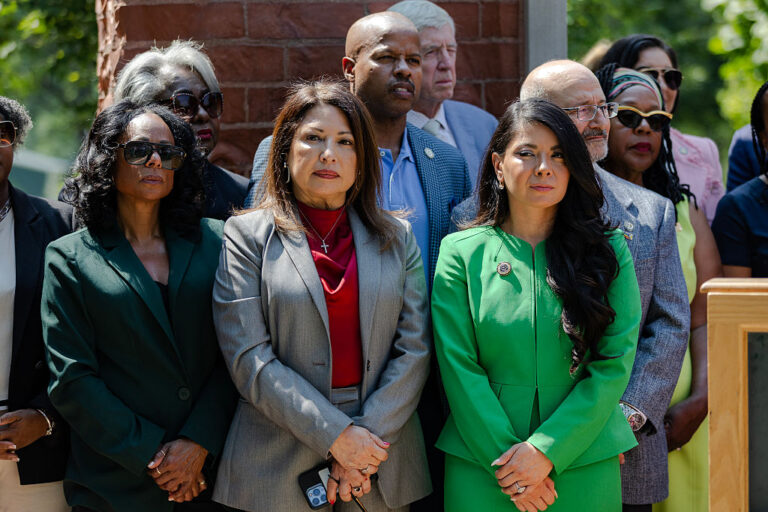
History is shaped by those who disrupt unjust systems, like Texas Rep. Nicole Collier, who stands against gerrymandering.
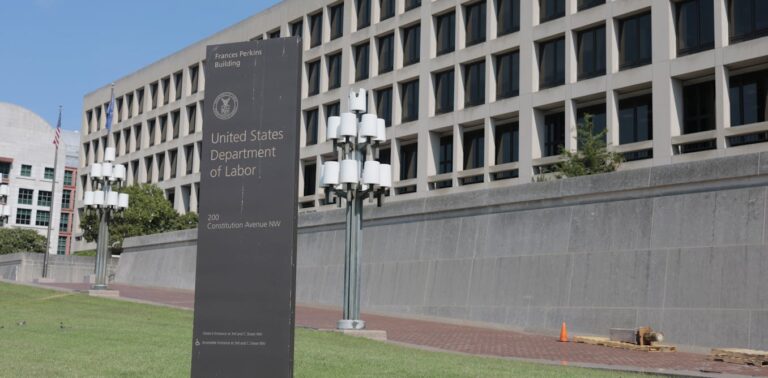
On Jan. 31, 2025, federal websites began disappearing, prompting global archivists to preserve vital data.

Amid hiring freezes and budget cuts, universities are leaning on CMOs to boost enrollment, but results can vary.

Illinois Governor J.B. Pritzker signed Senate Bill 1953 into law, enhancing transparency in law enforcement hiring.

Today marks 60 years since the 1965 Watts Riots erupted, highlighting racial tensions and aggressive law enforcement.

President Trump’s firing of BLS Commissioner Erika McEntarfer on the day of a weak job report raises trust concerns.

President Johnson signed the Voting Rights Act on Aug. 6, 1965, shaking Dr. King’s hand in a historic moment of hope.

Researchers often assume data follows a normal distribution, but real-world data can be skewed, affecting conclusions.