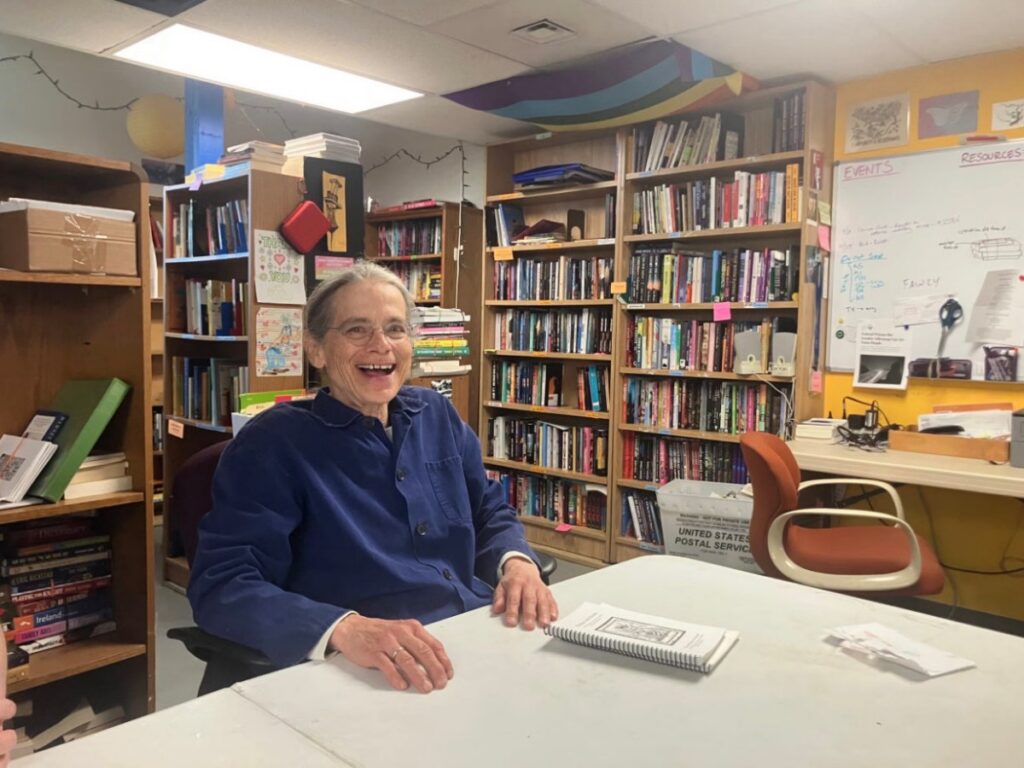
For thousands of people behind bars in Wisconsin, access to books isn’t a luxury — it’s a lifeline to education, rehabilitation, and hope. After a two-year halt forced by state policy changes, that lifeline has been restored.
Wisconsin Books to Prisoners, a volunteer-run nonprofit, is once again mailing books to incarcerated people across all of Wisconsin’s state prisons. The group, which has shipped roughly 70,000 books to inmates since its founding in 2006, was forced to scale back operations in 2024 after the Wisconsin Department of Corrections barred the organization from sending used books to prisoners.
The impact of that restriction was immediate and significant. Co-founder Camy Matthay described the fallout in stark terms.
“Our project was extremely critical to prisoners who wanted to read books that were more current and relevant to their ambitions,”
Matthay said.
A Negotiated Return
Rather than dissolving entirely, Books to Prisoners spent the past two years negotiating with the Department of Corrections to find a workable path forward. The process included pilot programs that tested controlled book shipments to specific facilities. As of this month, the program has fully resumed statewide — but with new safeguards in place.
Under the updated agreement, a librarian or other prison official will now cross-reference and document every book request. Prisoners are no longer permitted to request specific titles. Instead, they may request books by genre or subject matter.
Matthay explained why that change matters for security:
“The concern is that someone on the outside who’s trying to get drugs into prisons will taint a book, … donate the book to us and then get a friend inside to request that specific title,”
she said.
The Drug Smuggling Problem Behind the Policy
The original ban on used books was driven by real security concerns. Across the country, there have been documented cases where paper has been used to smuggle K2, a synthetic cannabinoid, into correctional facilities. The paper is soaked in the drug and then smoked or eaten, according to law enforcement officials.
Matthay said she understands the Department of Corrections’ concern.
“No one wants anyone to die on their watch,”
she said.
At the same time, Matthay argues that restricting book access does more harm than good. While incarcerated people in Wisconsin do have access to prison libraries and some electronic books, she says those options offer limited variety and don’t meet inmates’ specific educational or personal development needs. This concern is part of a broader set of challenges facing Wisconsin’s correctional system, including ongoing debates over how prisons balance security with programming access, record population levels straining staffing and resources, and persistent questions about how Wisconsin handles aging and ailing prisoners.
What Prisoners Are Actually Asking For
Supported by donations, Books to Prisoners is able to tailor its shipments to what inmates say they actually need. The most frequently requested subjects include job skills and learning Spanish — both practical tools for people preparing to re-enter society.
The response from incarcerated readers has been deeply personal, according to Matthay.
“We get incredible letters from prisoners all along about how much they appreciate the project, not only for helping them prepare to reenter (society), but also just because they enjoy reading and learning more about the world,”
she said.
The resumption of the program comes as Wisconsin continues to navigate broader changes to how it handles incarceration, including the return of commutations and ongoing scrutiny of how the state supports people both inside and after prison. This story was originally published by WPR.